Concept
Deterministic and stochastic
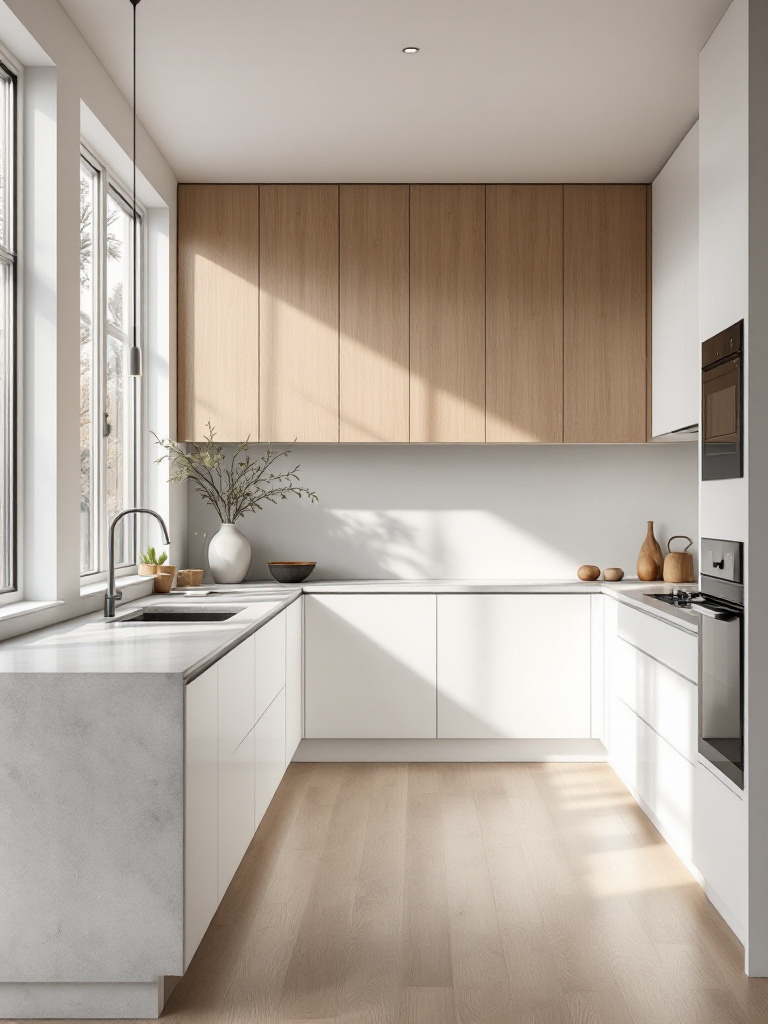
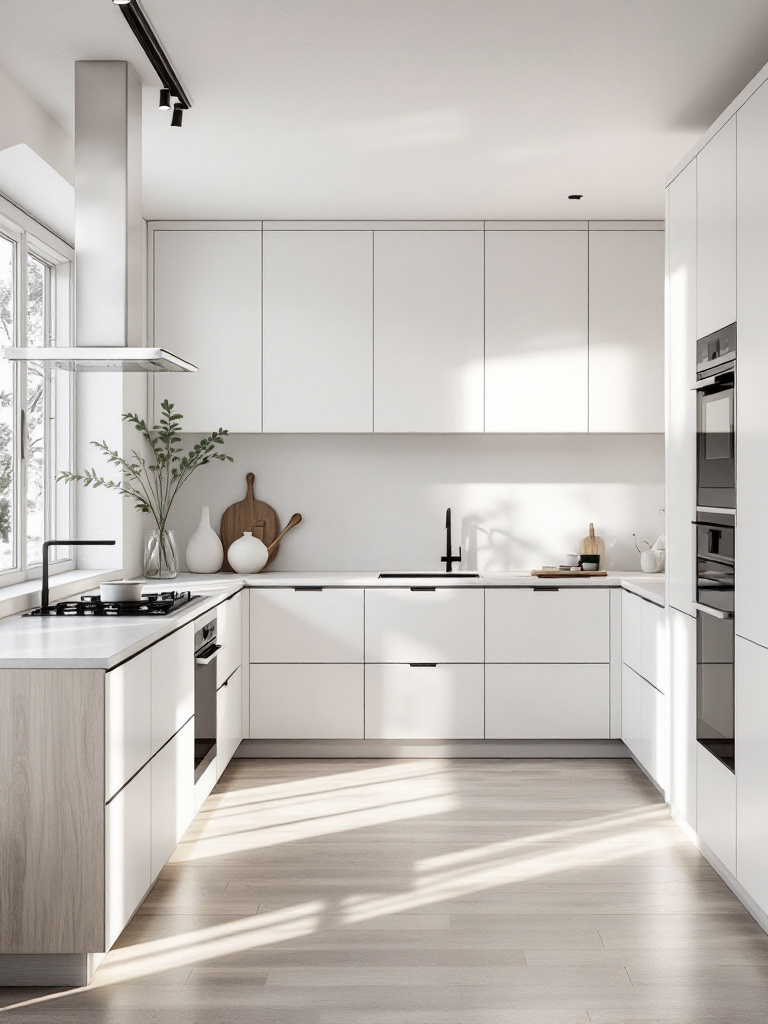
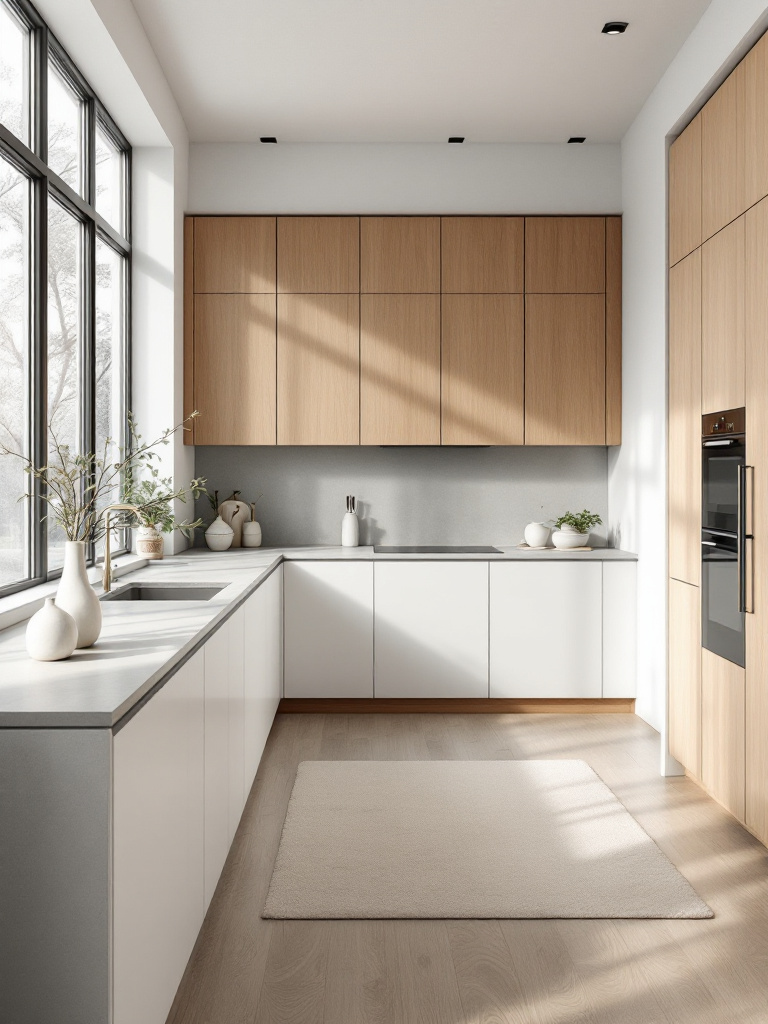
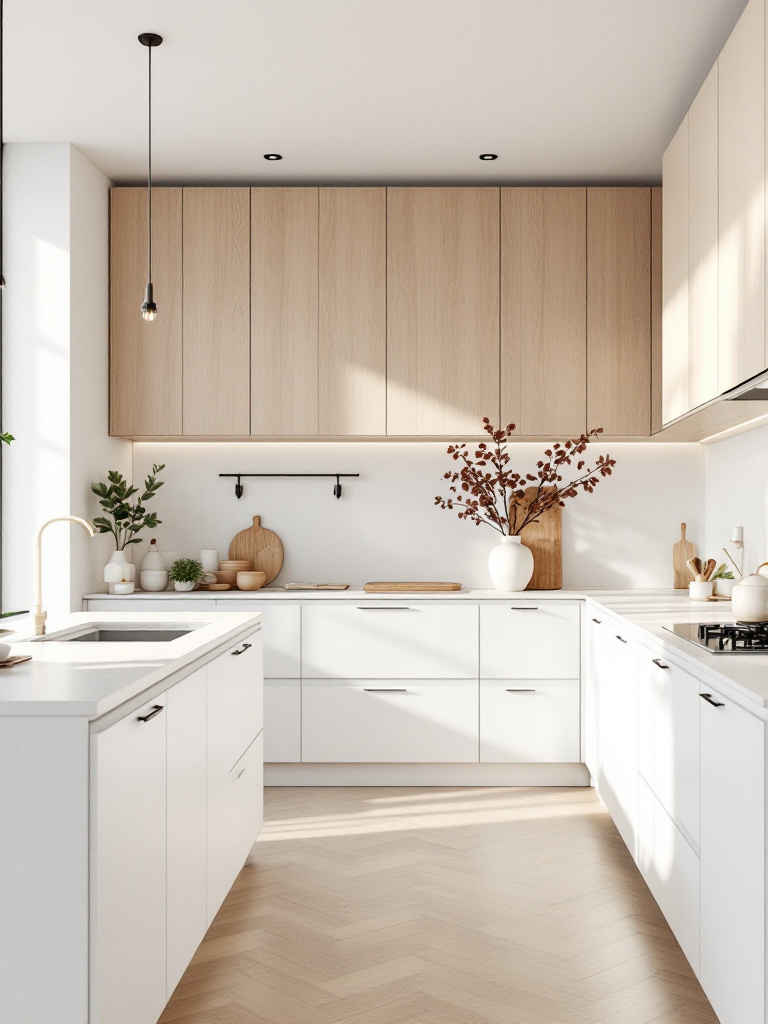
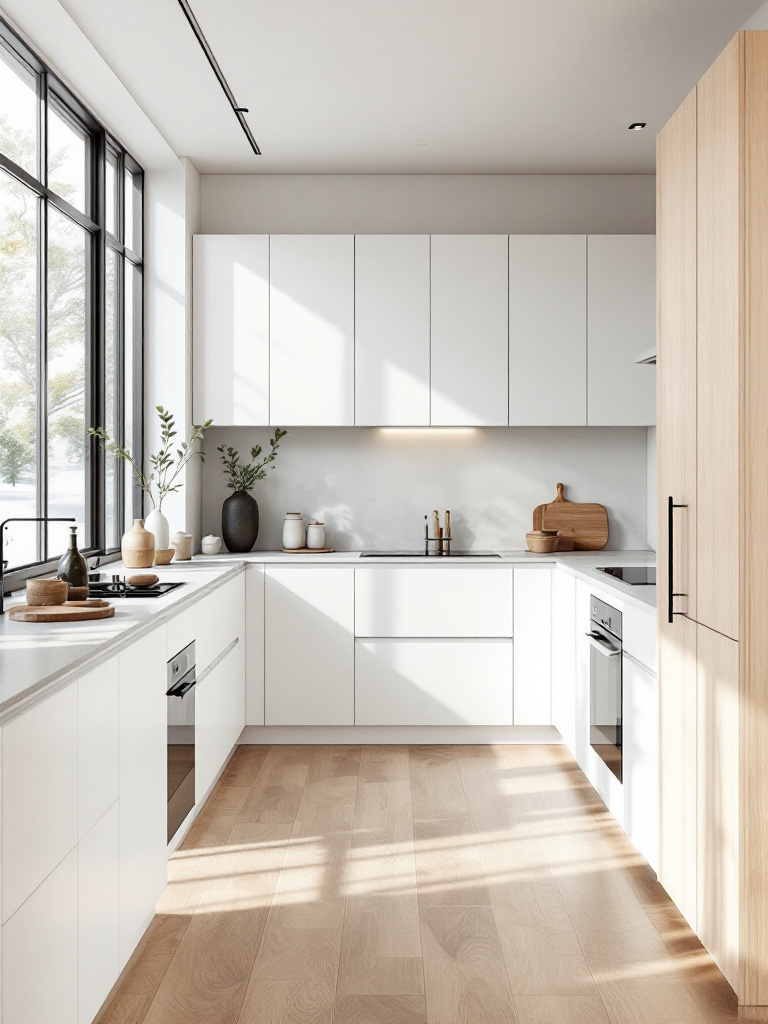
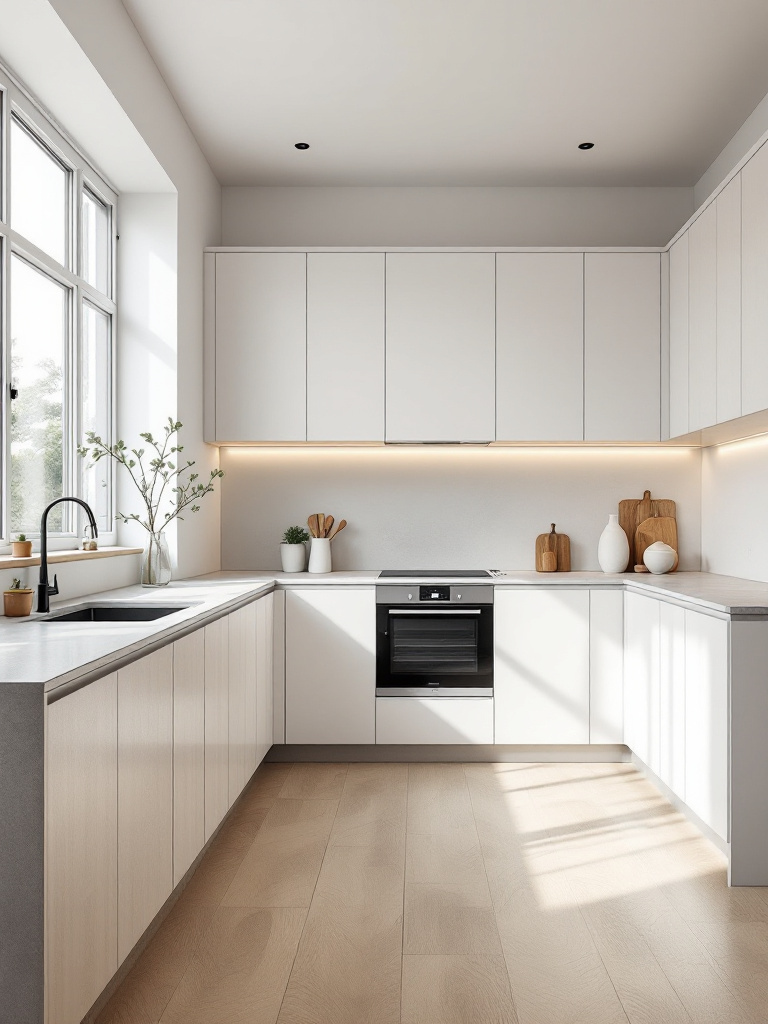
Same model, same prompt, six different runs without a fixed seed
The image on this page was created using a single prompt. Not just once—six times, with the same perspective and the same settings. Six different kitchens, six different compositions, six different interpretations of the same idea. None of them is wrong. But none of them is reproducible.
Anyone coming from photography or CGI recognizes this feeling for what it is: loss of control.
Anyone who understands why this happens — and why it has to happen this way — has already learned the most important lesson in working with AI.
Two fundamentally different systems
A 3D program like Blender is a deterministic system.
Deterministic means: same input, same result. Always. Without exception.
If you place a camera at a specific position in Blender, choose an 85mm focal length, and position an object exactly in the center of the frame — that image is defined. You can open the file a year later, on a different computer, with a different Blender version — and you get the same perspective, the same proportions, the same composition. That's not a given. It's the result of a system built on mathematical precision.
This property is why CGI is so valuable in professional image production. A client can call a year after the first production and order a rendering of the same product in a different color. Same perspective, same lighting situation, same image structure — only the surface has changed. With a camera in a studio, that's reproducible only with considerable effort. In Blender, it's a matter of minutes.
An AI image model is a stochastic system.
Stochastic means: same input, similar — but never identical — result. That's not a malfunction. It's by design. The image is the result of statistical probabilities.
AI image models are built on a process that literally works with statistics and randomness. The model starts with an image of pure noise — randomly distributed pixels with no structure at all — and removes that noise step by step, guided by the prompt and the patterns learned from millions of training images. Every one of these steps contains a stochastic component. The result is never exactly predictable.
That sounds like a downside. It isn't.
This exact property is why AI images look so impressive. Materials that don't look like textures from a library but like real surfaces. Lighting moods that feel interpreted rather than calculated. Atmosphere that a CGI rendering can barely achieve even with hours of work. The stochastic nature of the system isn't the problem — it's the source of its creative strength.
The actual problem
The problem isn't caused by the stochastic nature of AI. It arises when you try to use a stochastic system to solve deterministic tasks — tasks that demand exactly reproducible results.
Composition is a deterministic task. Perspective is a deterministic task. Product placement, focal length, size relationships, vanishing lines — these are decisions that need to be exactly defined and reproducible. A prompt can describe a composition. It can't guarantee it.
The same applies, incidentally, between different models: the same prompt, completely different interpretations — depending on which model processes it.
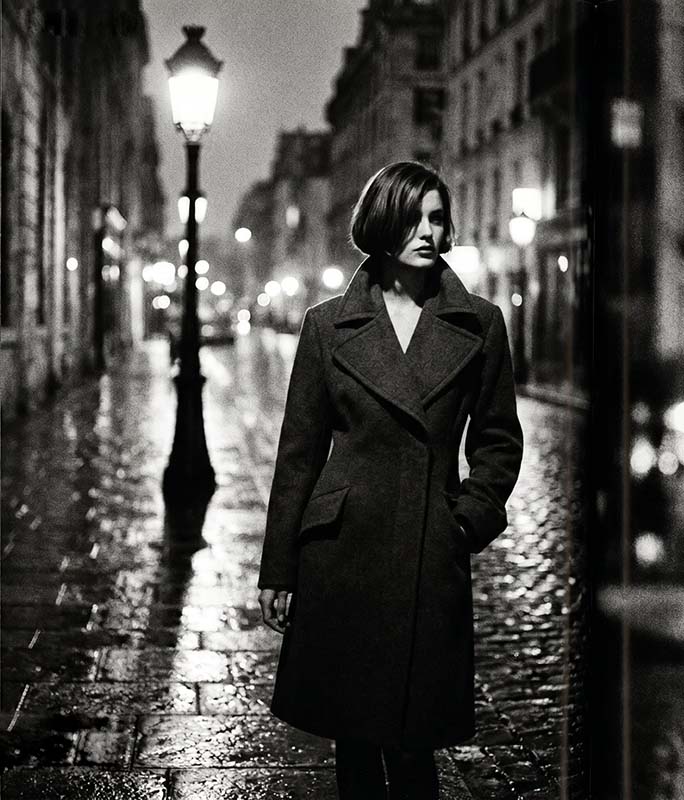
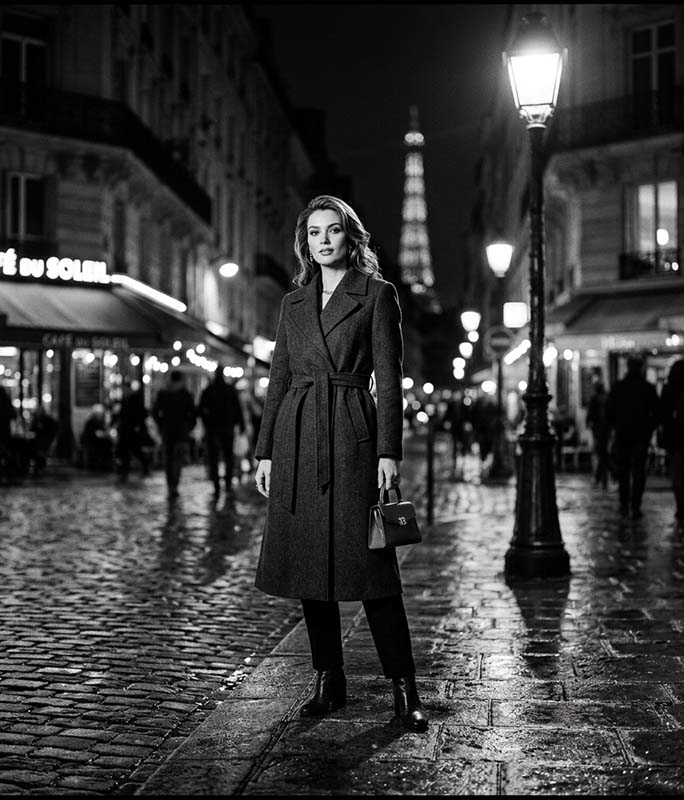
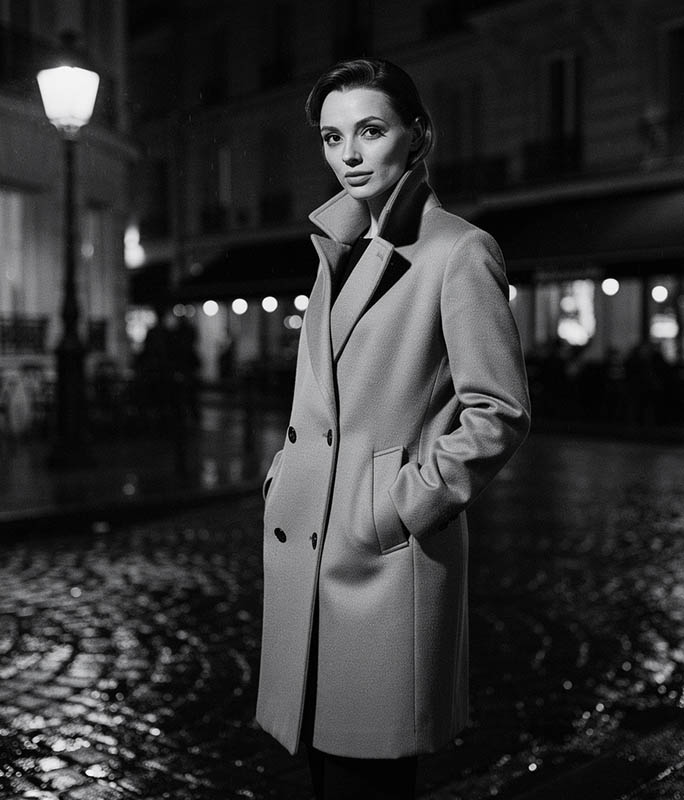
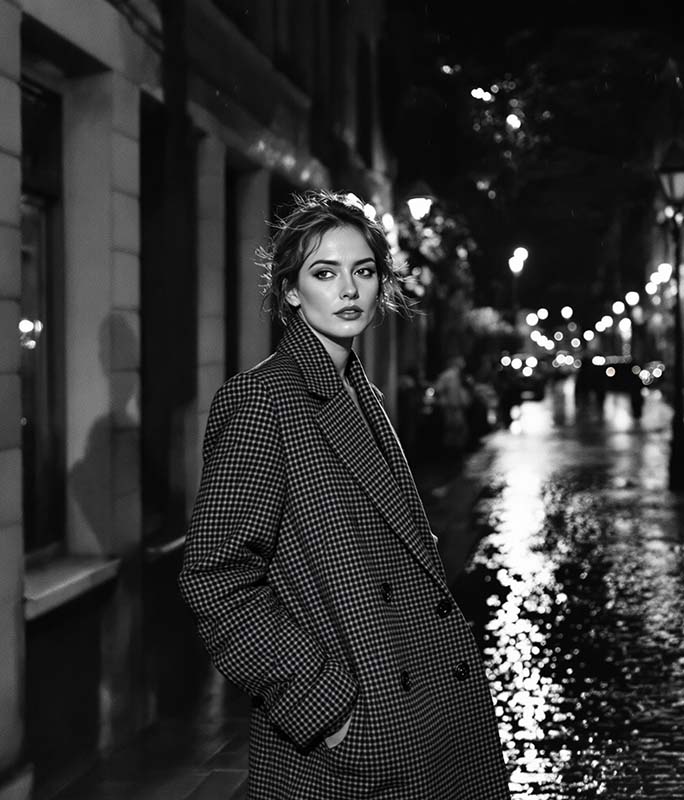
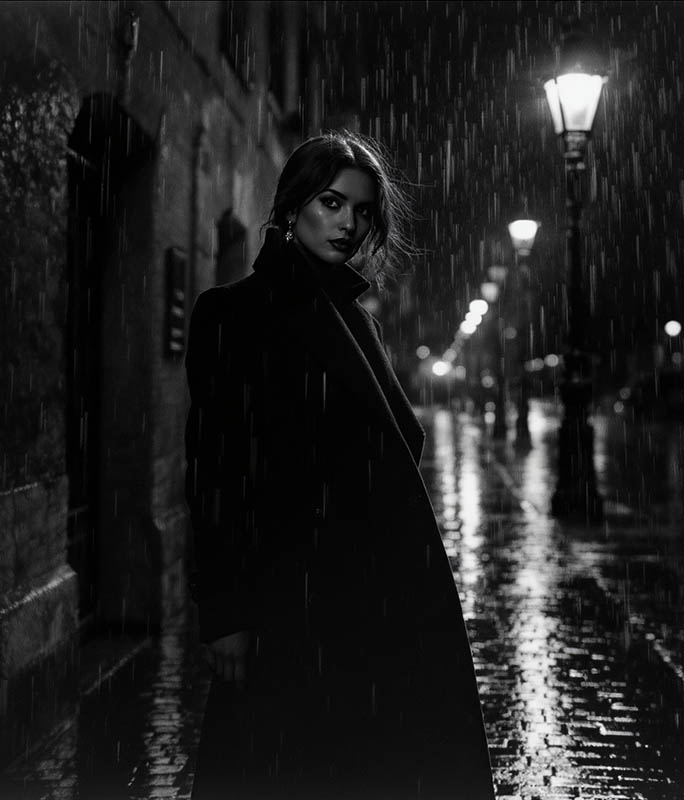
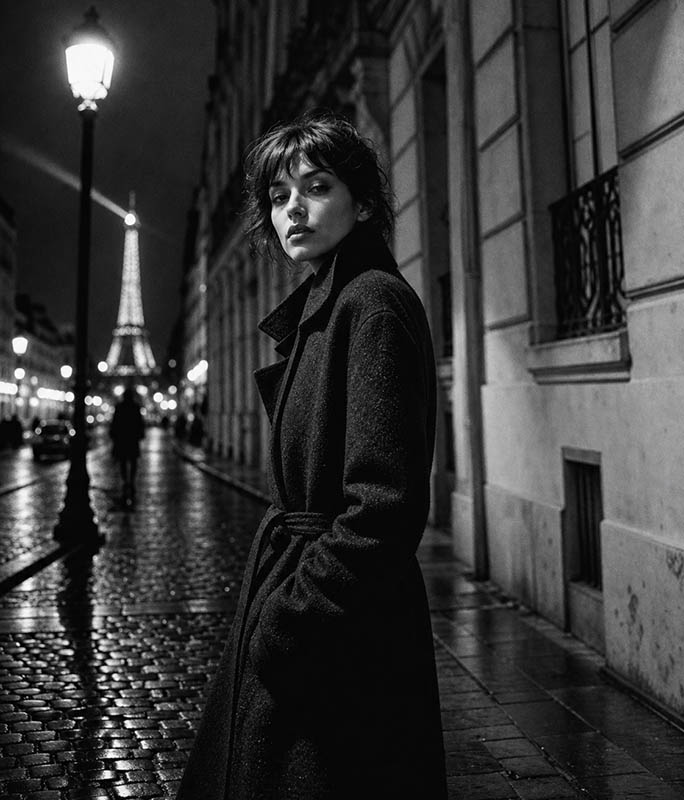
Different models, same prompt — Flux.1, Flux.2, and cloud variants compared
Lighting mood and material behavior aren't stochastic tasks in a classic 3D renderer — they're highly precise deterministic calculations. An unbiased renderer calculates the path of every light ray physically correctly: reflections, refractions, scattering, the interaction between light and surface according to the laws of physics. That's the PBR workflow — and exactly why it requires so much work: because every material, every texture, every light source has to be precisely defined so the result doesn't look synthetic. A convincing surface isn't made of a perfectly tiled texture — it's made of variation: dirt that collects in cracks, worn edges, color differences from aging, random imperfections with no repeating pattern. That part is exactly what costs CGI a disproportionate amount of time.
What the AI does instead is something different: it doesn't interpret how light works physically — it interprets how an image should look. The feel. The look. The random imperfections of a surface that no texture set can fully reproduce. The patina on an old paving stone. The way moisture sits on metal. This visual intelligence doesn't come from physical laws but from millions of training images — and that's exactly what makes it stochastic and convincing at the same time.
Most AI workflows make the same mistake: they try to solve both categories with the same tool — a prompt. That works for occasional, non-reproducible images. For professional image production, it doesn't.
The solution: each system its task
The way out isn't a better prompt. The way out is the deliberate separation of both tasks — and assigning each task to the system built for it.
What gets fixed deterministically:
Perspective and camera position
Focal length and framing
Composition and image structure
Object placement and size relationships
Spatial relationships between elements
Brand-identity-critical elements — logos, typography, branding
These decisions are made by the designer in Blender. Precise, reproducible, without surprises.
What's left to the AI to interpret:
The visual feel of materials and surfaces
Lighting mood and atmosphere
Environmental detail
Surface imperfections and visual nuance
The overall impression of the image
These decisions are left to the AI by the designer — deliberately, within defined boundaries, but with genuine creative freedom inside those boundaries.
The result is neither a classic render nor a pure AI image. It's an image that uses the strengths of both systems and avoids the weaknesses of both.
The decisive idea
It's not about controlling the AI.
It's about deciding how much control to give up — and at which point.
This is a creative stance familiar to anyone who works professionally with images. A photographer shooting on the street consciously decides which variables to leave to the moment — a passerby, a reflection in a shop window, the exact look of the clouds. They define the frame: viewpoint, focal length, exposure. What happens within that frame — they leave open. Not from loss of control, but as a creative decision.
AI image generation works on the same principle. The designer defines the frame. The AI fills it — with the visual intelligence of millions of images, which no renderer can calculate and no texture set can reproduce.
RAY-L is the tool that draws this frame between Blender and AI — and gives the designer control over exactly where that boundary runs.
In practice
A concrete example: a product needs to be shot in an atmospheric urban setting at night. Wet cobblestones, streetlights, bokeh in the background.
With a camera: location scouting, a production team, weather dependency, permits, hours on set.
With pure AI: the prompt describes the scene — but exactly where does the product sit in the frame? At what size? With what perspective? That's hard to guarantee and barely reproducible. The six images at the start of this article show exactly that.
With Blender and RAY-L: the composition is defined in Blender — camera position, focal length, exact product placement, size relationships to the surroundings. This structure is passed to the AI as a ControlNet input. The AI interprets: the wet pavement, the lighting atmosphere, the depth of field, the overall mood. The result has the compositional precision of a CGI rendering and the visual persuasiveness of AI image generation.
Image
before-after-night-scene.jpg
Before/after — Blender render (Canny structure) → RAY-L result · night scene
The deterministic/stochastic principle isn't abstract. It's a decision made fresh with every image — and it's what makes the difference between a random result and a professional image.